
The Identity Blueprint
Psychology of color and lighting in branding
Visual Communication Through Design
Every visual element in professional photography communicates meaning. Understanding how color, lighting, and composition influence perception allows us to craft imagery that authentically represents your brand identity.
Lighting as Narrative

Shadowy & Mysterious
Dramatic shadows and lower-key lighting create an atmosphere of depth and sophistication. This approach suggests expertise, thoughtfulness, and a nuanced understanding of complex subjects.
Best for: Consultants, strategists, creative professionals
Message: Depth, expertise, sophistication
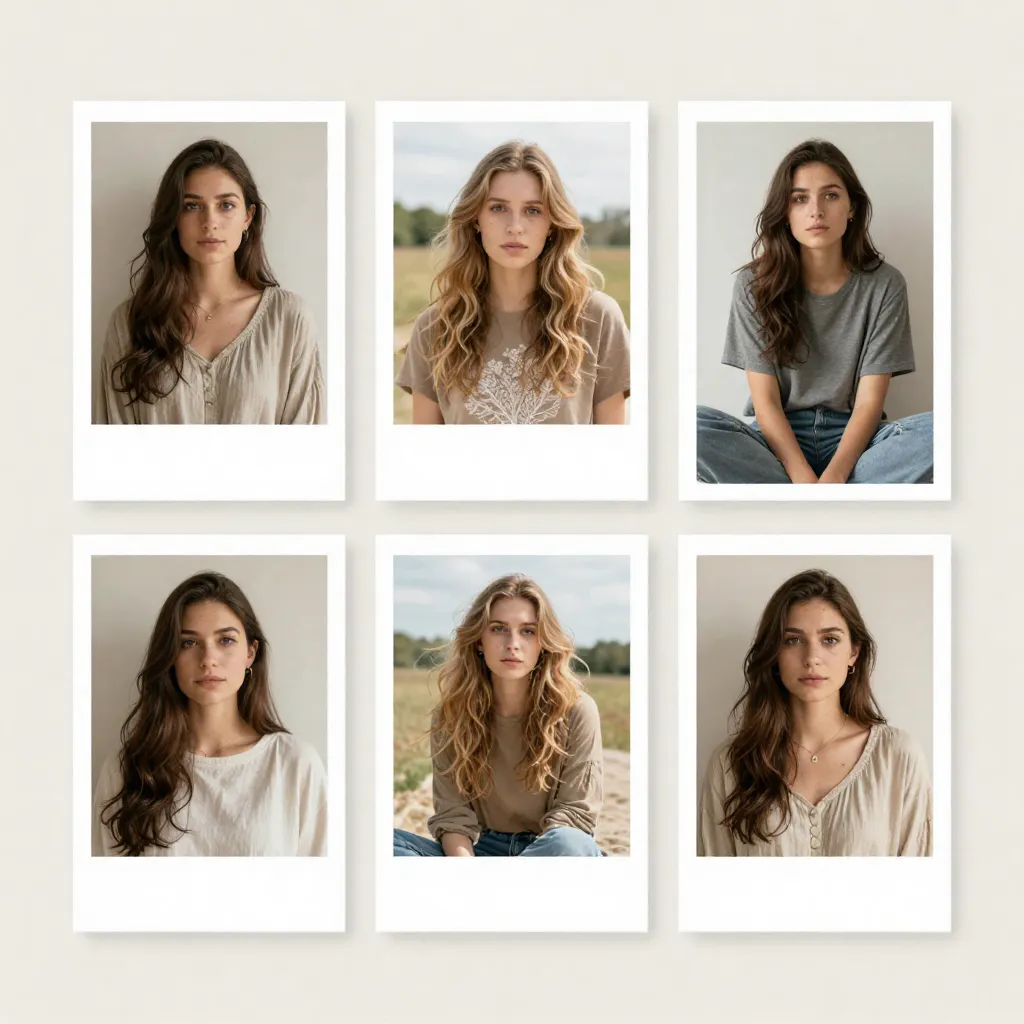
High-Key & Transparent
Bright, even lighting communicates openness and clarity. High-key imagery suggests transparency, accessibility, and a straightforward approach to professional communication.
Best for: Coaches, educators, service providers
Message: Clarity, accessibility, trust

Directional & Dynamic
Strategic directional lighting creates dimension and visual interest. This approach suggests energy, innovation, and forward momentum in professional endeavors.
Best for: Entrepreneurs, innovators, leaders
Message: Energy, innovation, leadership
Color Psychology in Branding
Neutral Tones
Blacks, grays, and whites convey professionalism, timelessness, and versatility. These colors work across industries and create imagery that ages well.
Cool Accents
Blues and cyans suggest technology, innovation, and forward-thinking. These colors work well for tech professionals, consultants, and creative industries.
Warm Accents
Ambers and warm tones suggest approachability, creativity, and human connection. These colors work well for coaches, educators, and service-oriented professionals.
Composition & Visual Hierarchy
Rule of Thirds
Placing key elements along the rule of thirds creates balanced, engaging compositions. This principle guides viewer attention naturally through the frame.
Leading Lines
Strategic use of lines—whether architectural, furniture, or lighting—directs attention toward you as the primary subject, reinforcing your position as the focal point.
Negative Space
Thoughtful use of negative space creates breathing room and emphasizes your presence. This technique ensures your imagery feels uncluttered and professional.
Apply These Principles
During your consultation, we'll discuss how these visual principles align with your brand identity and professional goals. Together, we'll create imagery that communicates your message effectively.
Start Your Blueprint